Motivation
Engineering the Mind
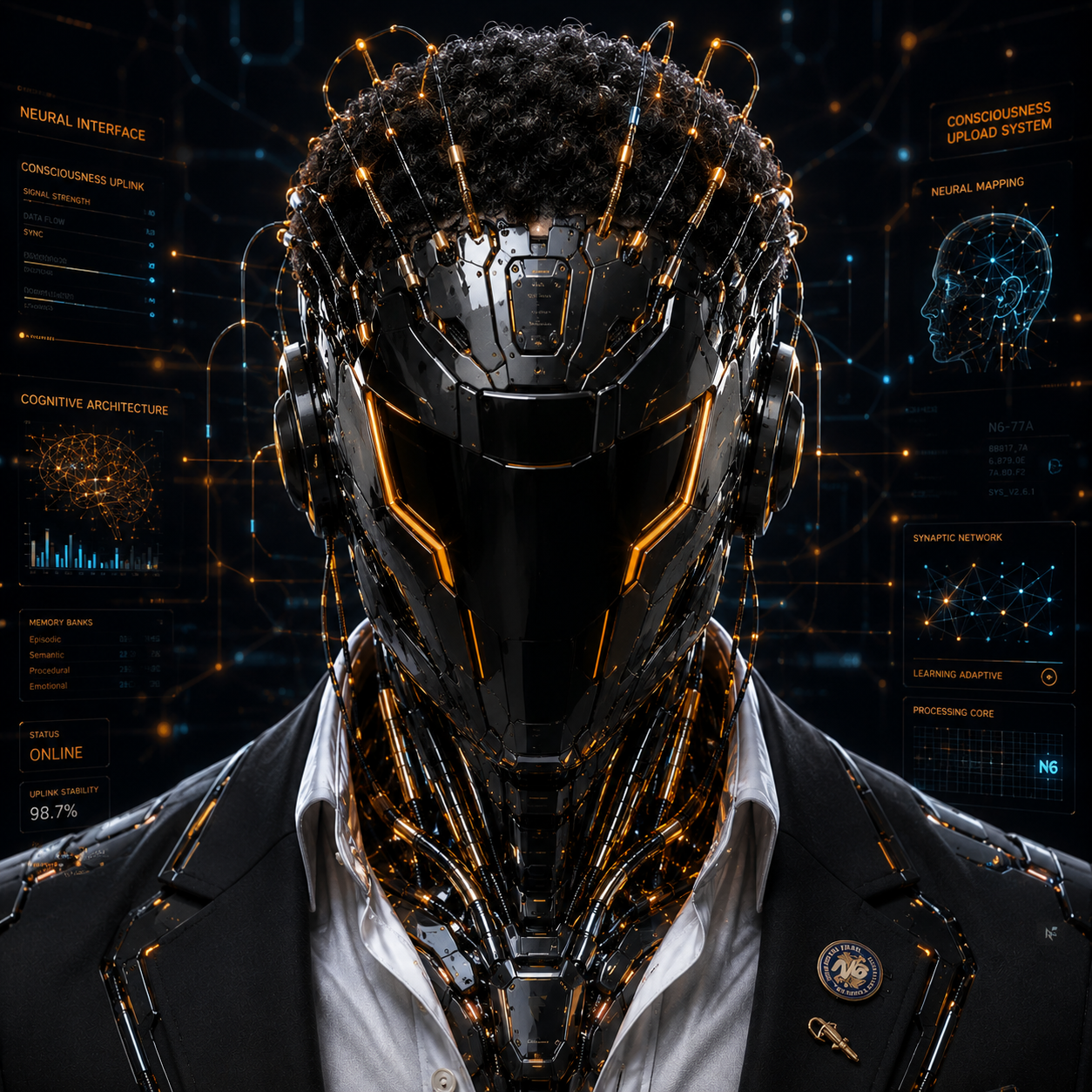
How do patterns of neural firing give rise to the ability to distinguish right from wrong, develop emotions, store memories, and experience consciousness? These questions, which once felt philosophical, have evolved into research ideas I have been trying to pursue for the past three years. Yet the deeper I venture into neuroscience, the more it dawns on me that these questions might not be answered in my lifetime. Our most advanced neural imaging tools only scratch the surface, offering fragmented glimpses of an immensely complex system. I have worked alongside highly skilled and motivated researchers and can testify that the field is not short of intelligence and effort. Instead, the field is in dire need of a revolutionary unifying framework or a transformative technology capable of capturing brain activity at its full scale and speed. For instance, what would it mean if we could noninvasively visualize every neuron’s activity in real time? To many, that idea seems as impossible today as landing on the moon in the 1600s, as Professor Ed Boyden once remarked. But for me, it is the kind of audacious question that fuels my curiosity.
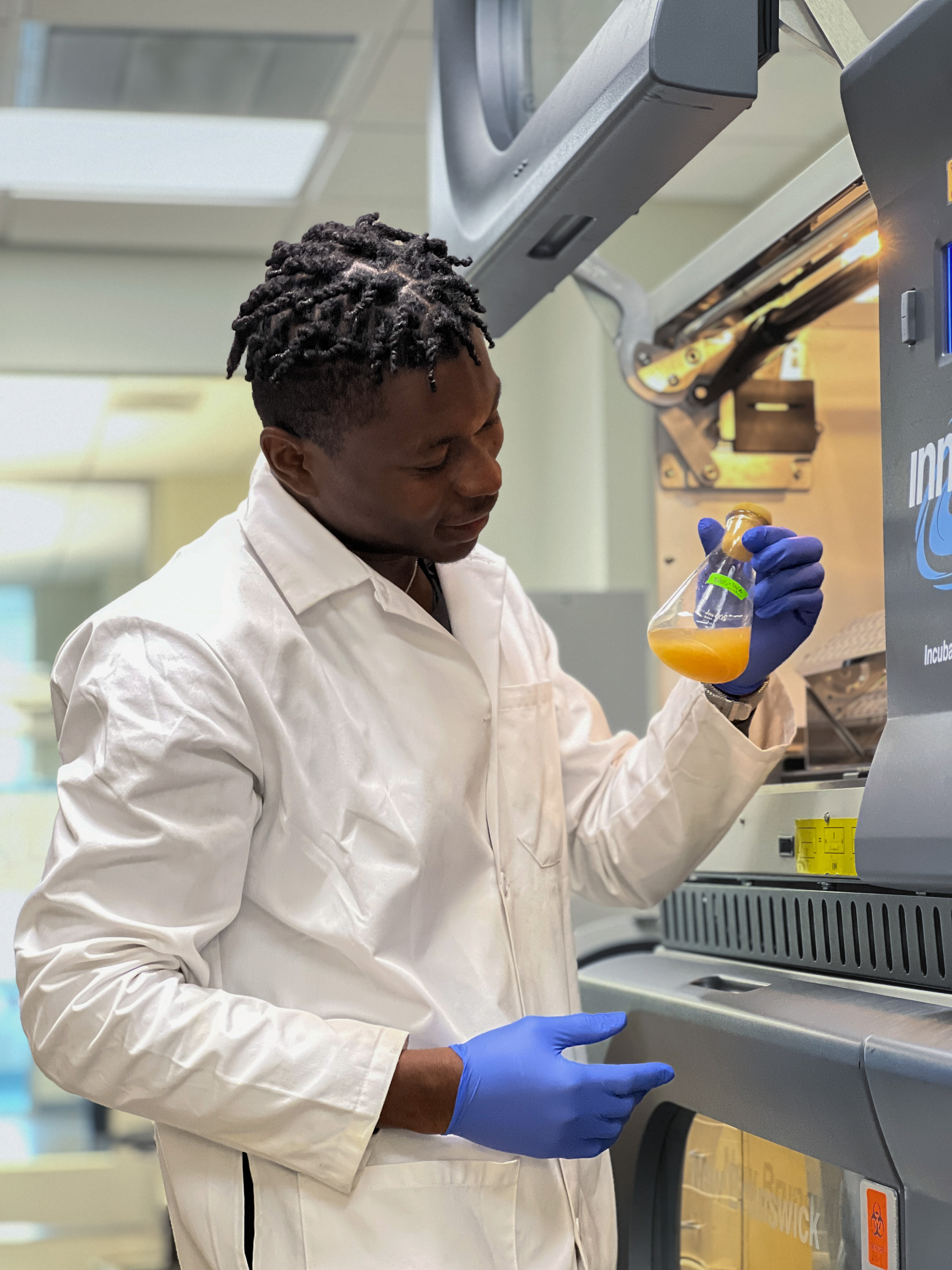
My research journey began in my freshman year after joining a terpene biosynthesis lab. There, I grappled with expressing and purifying membrane-bound UbiA terpene synthase enzymes to uncover novel terpenoids. Using a geranylgeranyl diphosphate (GGPP)-overproducing E. coli system, I screened 32 candidate enzymes and identified five that produced structurally diverse diterpenes. This work culminated in three publications in Nature Communications , ScienceDirect , and ACS Catalysis . Presenting this research at the 2023 American Society for Pharmacognosy conference and an international symposium further strengthened my scientific communication skills. Though outside my primary field of interest, this experience taught me the rigor and resilience required for experimental science. Witnessing a simple hypothesis evolve into peer-reviewed articles ignited an insatiable desire to dive deeper into research.
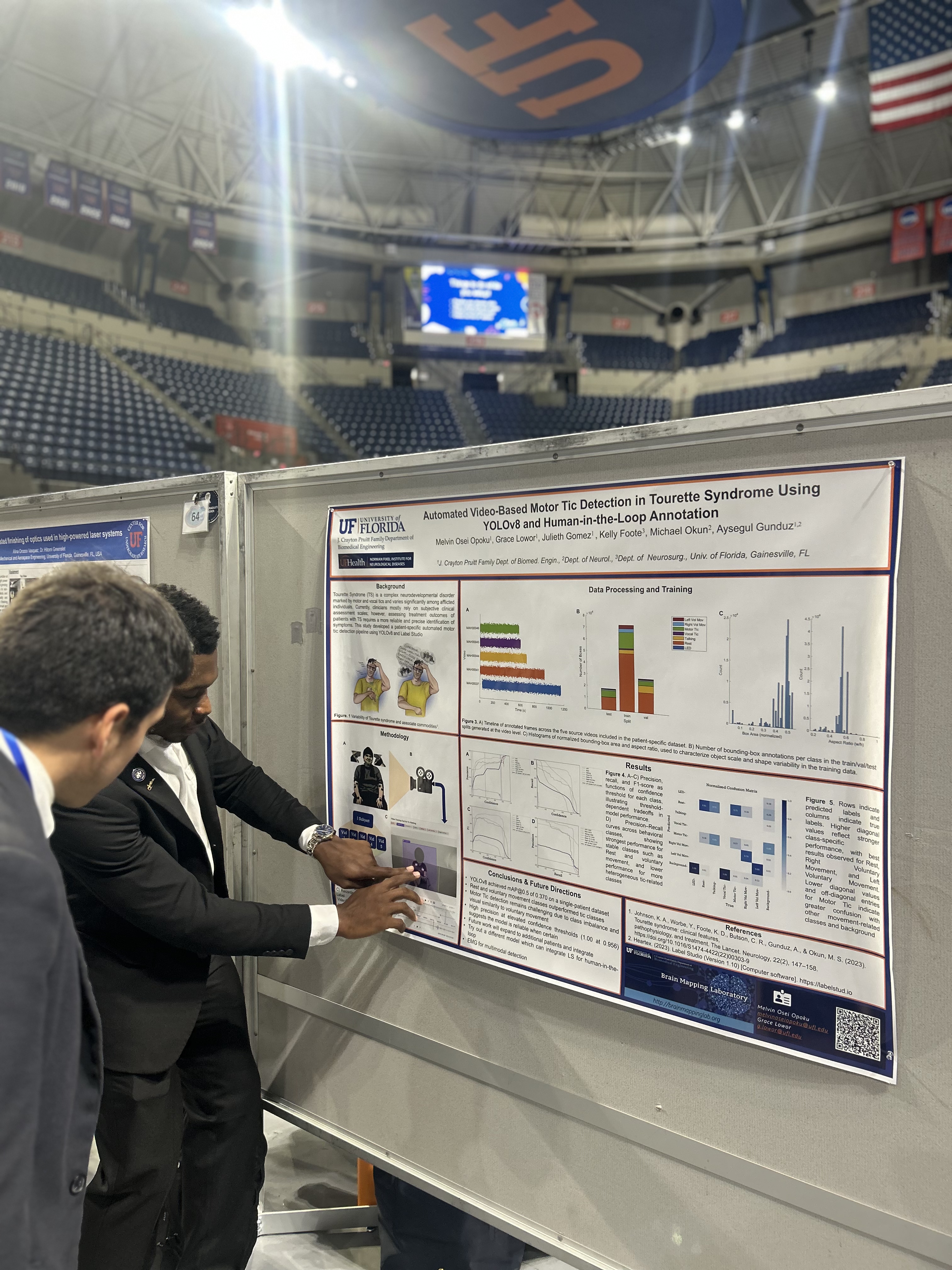
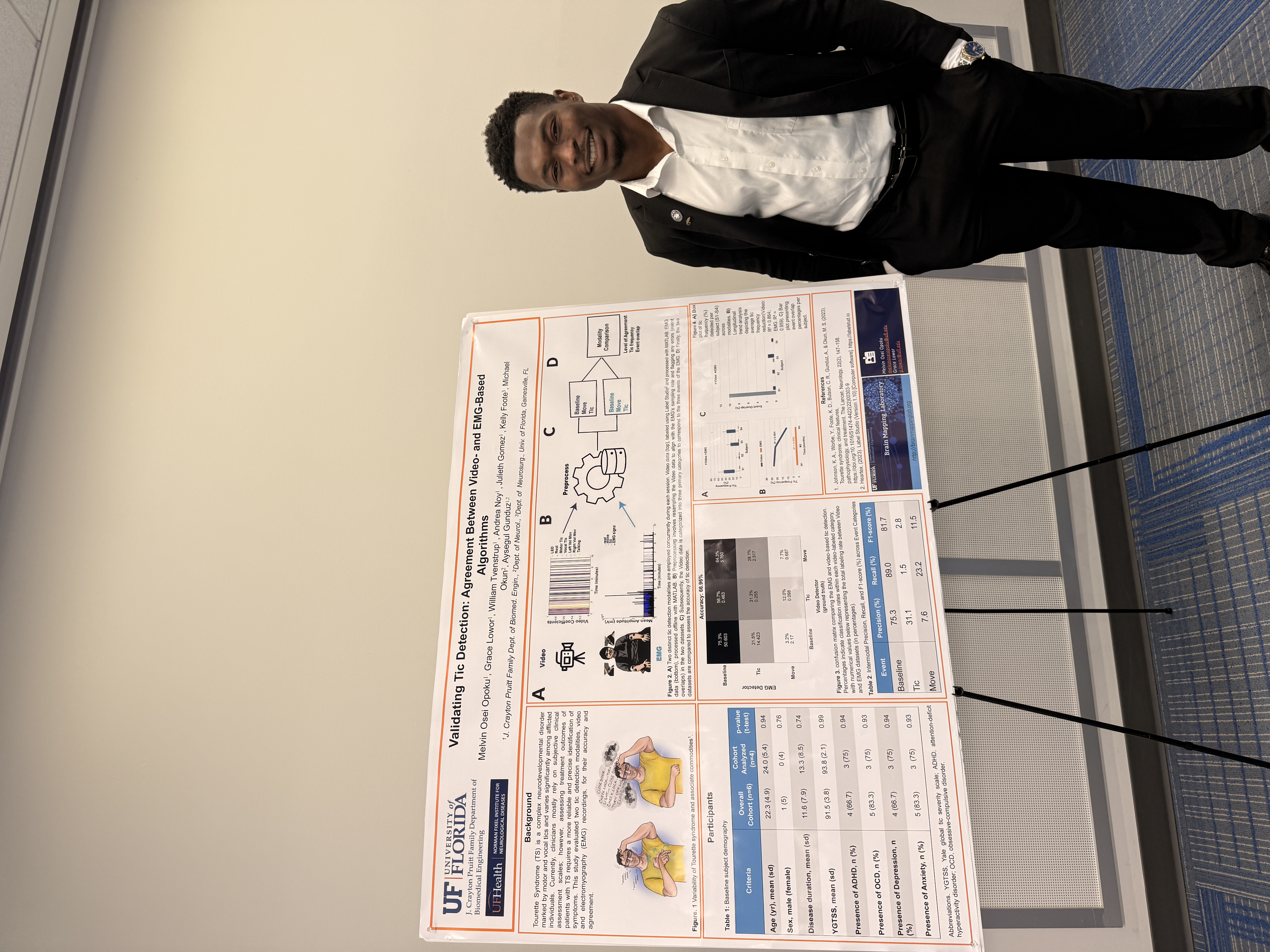
Despite success in biochemistry, my curiosity gravitated toward the brain. In my sophomore year, I joined a deep brain stimulation (DBS) clinical research lab at UF. Transitioning from biosynthesis to computational neuroscience demanded rapid skill acquisition, which I undertook enthusiastically under great mentorship. My first task was labeling video data of Tourette patients into tic and non-tic segments–a process that quickly became tedious, taking over two hours to annotate a 15-minute clip. To improve efficiency, I pitched the idea of building an automated tic detector. My PhD mentor supported it but cautioned against challenges such as limited training data and high tic variability across subjects. To address these, I proposed integrating concurrent electromyography (EMG) signals into the training pipeline to strengthen model performance. Thereafter, I performed a comparative tic detection accuracy analysis on the two modalities and submitted a first author manuscript for publication. I was inspired by how DBS, despite incomplete theoretical understanding, can meaningfully improve patients’ lives. I will never forget one participant who, at the study’s start, could barely suppress tics for 30 seconds but, two years later, had improved enough to drive independently for the first time. That experience revealed to me that while understanding the brain is beautiful, restoring function is deeply human. Yet it also left me wondering: how much more could we achieve if we truly understood how DBS works connectomically? That question led me toward fundamental neuroscience research.
Therefore in the summer of 2024, I joined Professor Mala Murthy’s lab at the Princeton Neuroscience Institute to study visual processing in Drosophila . I performed computational analysis on FlyWire electron microscopy connectome data. Specifically, I probed the structure-function relationships in Lobula Columnar (LC)11 neurons, which detect small-object motion. Results from my analysis challenged the existing hypothesis of center-surround inhibition–where neurons respond strongly to small objects but are inhibited by larger stimuli extending beyond receptive fields. Surprisingly, the data revealed an overwhelming predominance of inhibitory synapses, contradicting previous assumptions and opening exciting avenues for new theories. Presenting these findings at the 2024 Society for Neuroscience conference reinforced my appreciation for integrating computational theories with experimental validation. Yet I realized that connectomic data, while powerful, is static. A connectome of a dead fly cannot fully explain the dynamics of a living one. That realization drove me toward technologies capable of capturing the live computation of the brain.
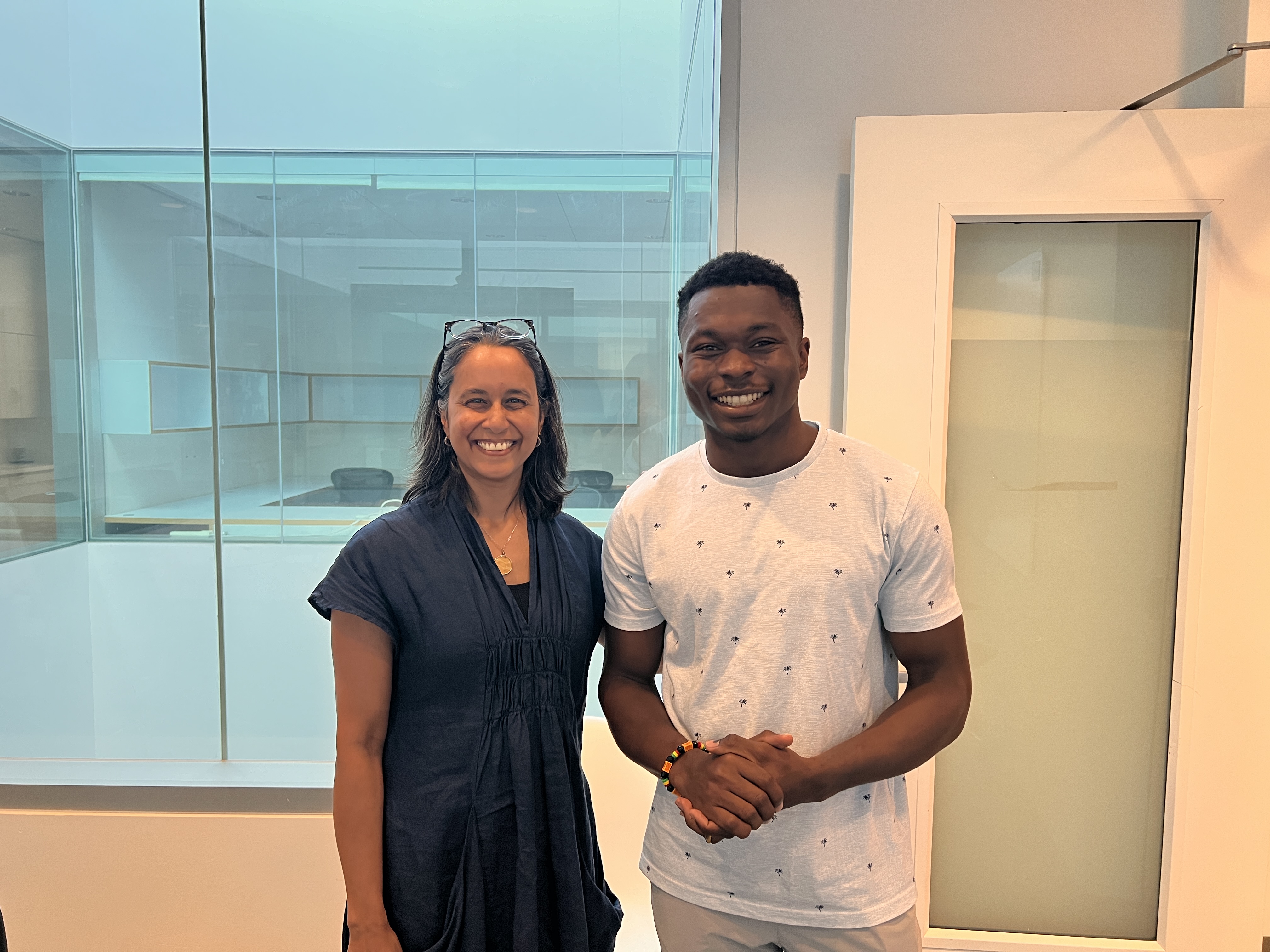
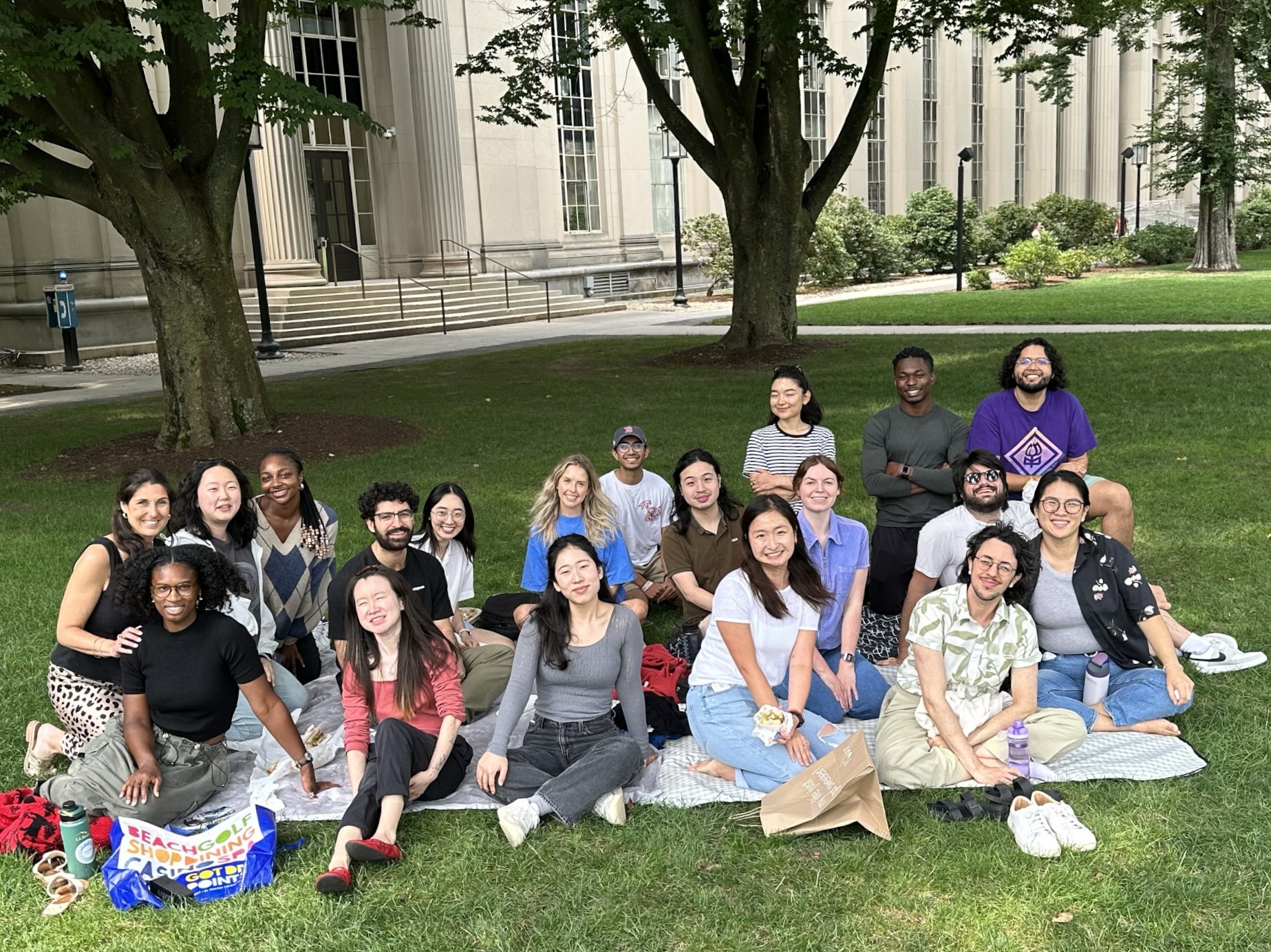
In light of this observation, I interned at MIT under Professor Laura Lewis through the MIT Summer Research Program 2025. Here I was tasked with mapping key brain metabolites fluctuations across sleep stages among healthy controls and major depression disorder subjects. I segmented EEG recordings into sleep stages and used them to segment concurrently recorded HERCULES-edited MRS data to optimize signal-to-noise ratio. Shadowing MRI and EEG data collection exposed me to the complexity of human neuroscience: every signal–noisy, variable, and often ambiguous–carries both promise and limitation. EEG provides temporal precision but poor spatial resolution. MRS gives chemical insight but averages across vast tissue volumes. Confronted with these constraints, I initially wondered whether better computational models alone could resolve the gaps. But I realized that when we sample only a tiny fraction of a highly interconnected brain, no algorithm can fully recover what was never measured. We have become experts at capturing fragments, yet our theories struggle to unify them. This experience solidified my belief that transformative progress demands advances in both measurement technology and modeling–and especially tools capable of capturing whole-brain dynamics directly.
About Me
Learn about my Journey to the US🇺🇸
Resume
As of January 2025
Education
BSc Biomedical Engineering, Minor in Electrical Engineering, Certificate in AI Fundamentals and Application
May 2026
University of Florida, Gainesville, FL
- Honors Program
- Focus in Neural Engineering
Research Experience
Undergraduate Research Assistant
August 2023 - Present
Brain Mapping Lab, University of Florida, Gainesville
- Developed multimodal pipelines (EMG, audio, video), improving tic detection by 70%
- Built machine learning algorithms for automated tic detection in Tourette patients
- Presented findings at the BMES 2024 Annual Meeting
Research Intern
June 2025 - August 2025
Lewis Lab, Massachusetts Institute of Technology, Cambridge
- Segmented HERCULES-edited MRS data using EEG-based sleep stage classification
- Quantified changes in 13 brain metabolites across healthy and depressed subjects
- Assisted in overnight polysomnography and MRI data acquisition in human studies
Research Intern
June 2024 - August 2024
Princeton University, Princeton, NJ
- Analyzed FlyWire connectome data on Drosophila LC11 neurons for structure-function relationships
- Discovered inhibitory synapse predominance, challenging the "end-stopped" model
- Performed split-GAL4 genetic experiments to complement computational work
- Presented findings at Society for Neuroscience (SfN) 2024
Research Intern
January 2023 – December 2023
American Society of Pharmacognosy, University of Florida, Gainesville
- Expressed and purified UbiA terpene synthases in a GGPP-E. coli overproduction system
- Screened 32 enzymes, identifying 5 novel diterpene synthase functions
- Applied molecular docking and mutagenesis to characterize activity
- Co-authored 3 publications in Nature, ScienceDirect,and ACS Catalysis, with one under review
- Presented findings at the 2023 American Society for Pharmacognosy Annual Meeting
Resident Assistant
August 2023 – May 2025
Housing and Residential Life, University of Florida | Gainesville, FL
- Devise events to encourage community belonging among 32 residents
- Enforce community standards and policies to ensure a safe and supportive living environment
- Serve in an on-call rotation by responding to emergencies and crises
INVOLVEMENT & SERVICE
Product Designer
August 2025 – Present
Exactech Inc | Gainesville, FL
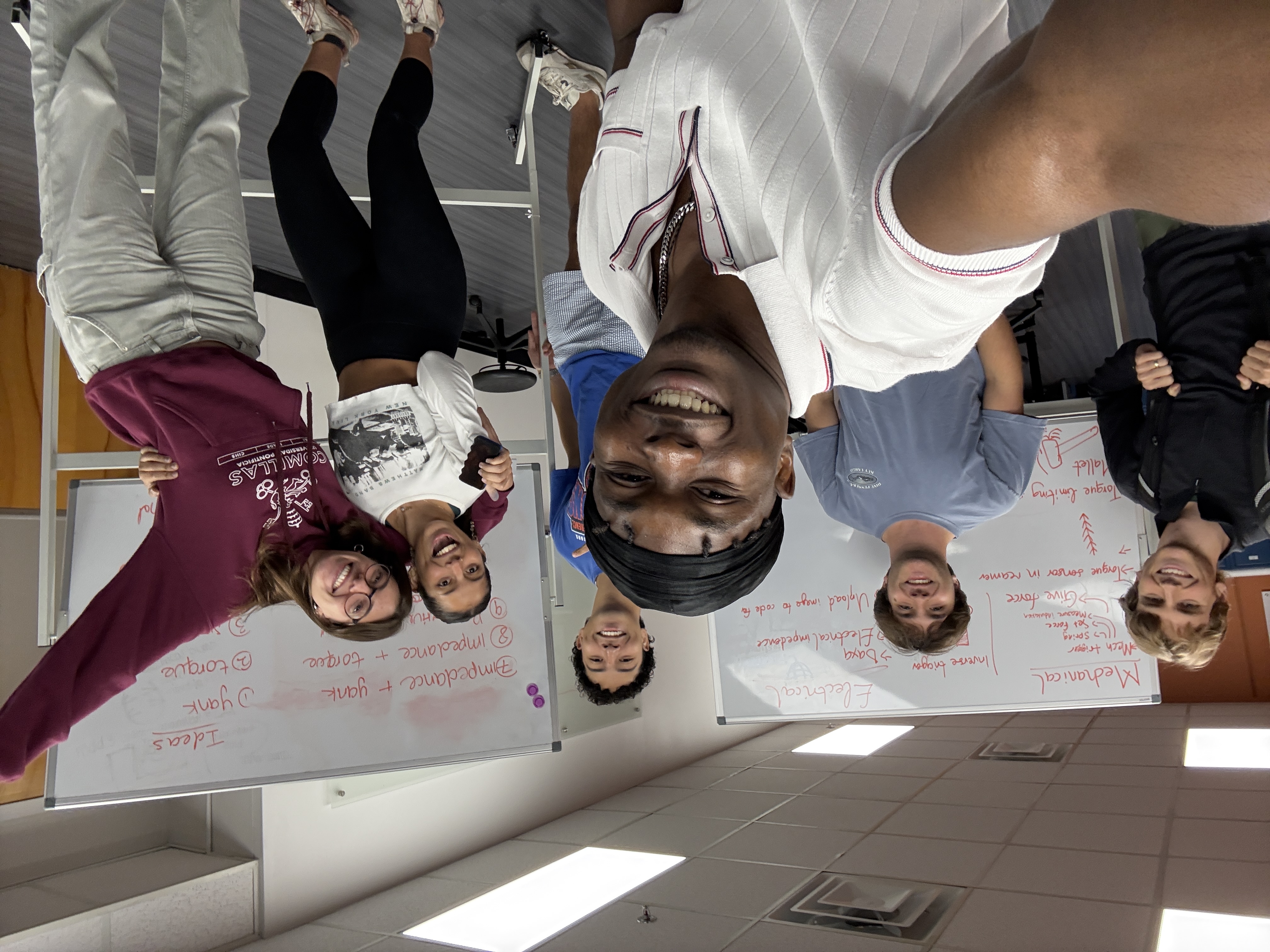
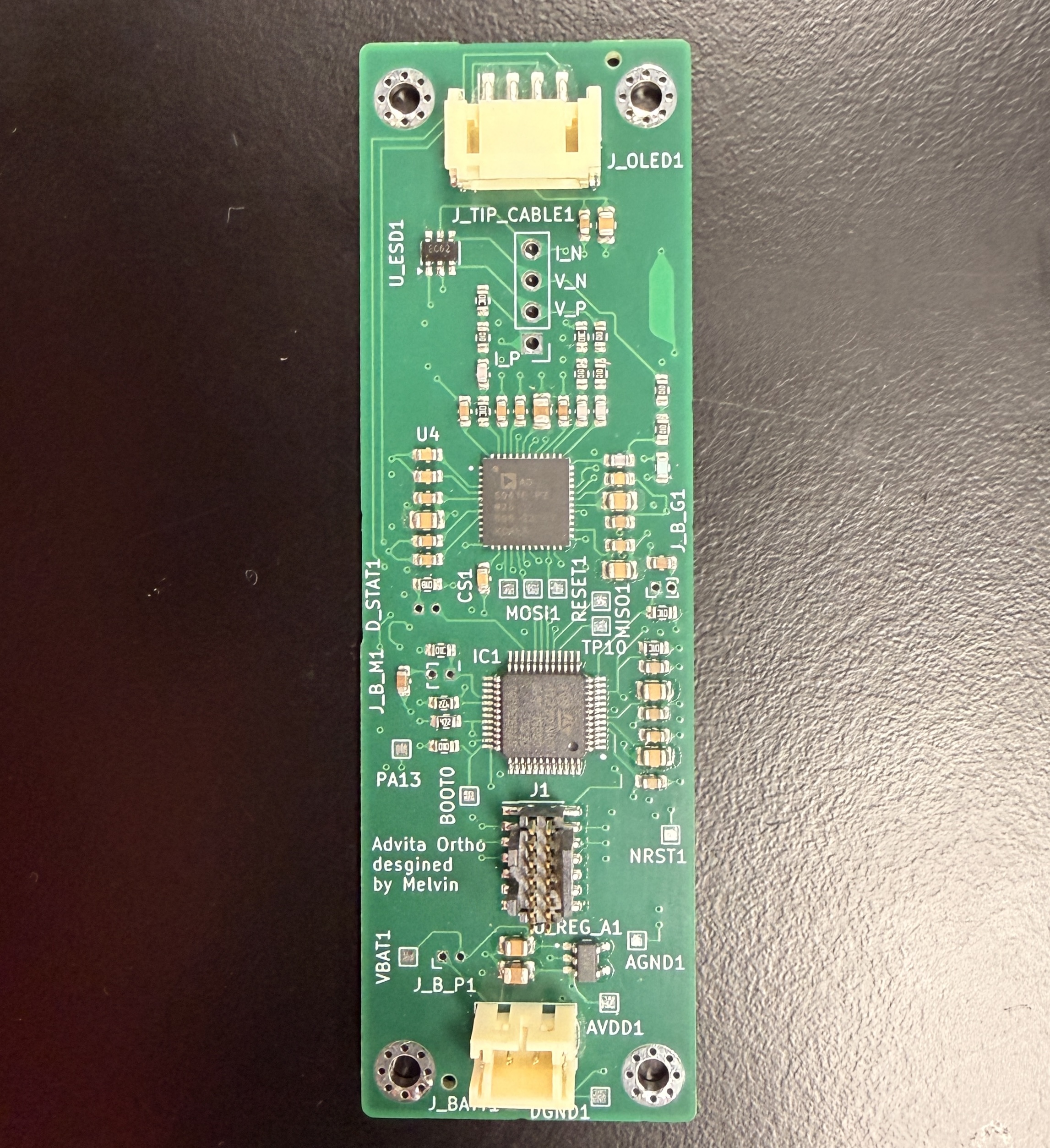
- Designed electronic circuitry for a hand-held intra-operative humeral bone quality assessment tool
- Benchmark tested electrical impedance against humeral bone quality
Product Designer
August 2023 – May 2024
Generational Relief in Prosthetics, University of Florida | Gainesville, FL
- Designed and optimized the “Unlimbited” prosthetic arm using SolidWorks
- 3D printed and conducted non-destructive testing on the prosthetic arm
Undergraduate Teaching Assistant
August 2023 – December 2023
Secrets of Alchemy, University of Florida | Gainesville, FL
- Graded lab reports and provide helpful feedback
- Held office hours to a class of 60 students
- Assisted instructor in preparing the lab, supporting students during lab, and cleaning up after
Director of International Students Affairs
August 2022 – May 2024
Student Government, University of Florida | Gainesville, FL
- Administered mentorship to international students to ensure VISA status management
- Planned events to facilitate international students’ involvement on campus
Awards
As of September 2025
AI Scholars Program
$1750 research stipend for my work in the Brain Mapping Lab. I continue to develop a ML algorithm for automation of tic detection
University Scholars Program
$1750 research stipend for my work in the Brain Mapping Lab. I develop a ML algorithm for automation of tic detection
UF Hamilton Center Society Fellow
$2,500 stipend and a funded trip to Oxford and Cambridge University
Certificate of Outstanding Merit
from the College of Engineering in recognition of my work as an international student
American Society of Pharmacognosy
$5000 research stipend in support of my work at the Rudolf Lab working on natural products synthesis
Research Projects
As of January 2025
- All
- Ongoing
- Completed
- Publications-Posters
Let's get Personal 😊
Learn about my hobbies and interests!
1. How do I spend my free time??
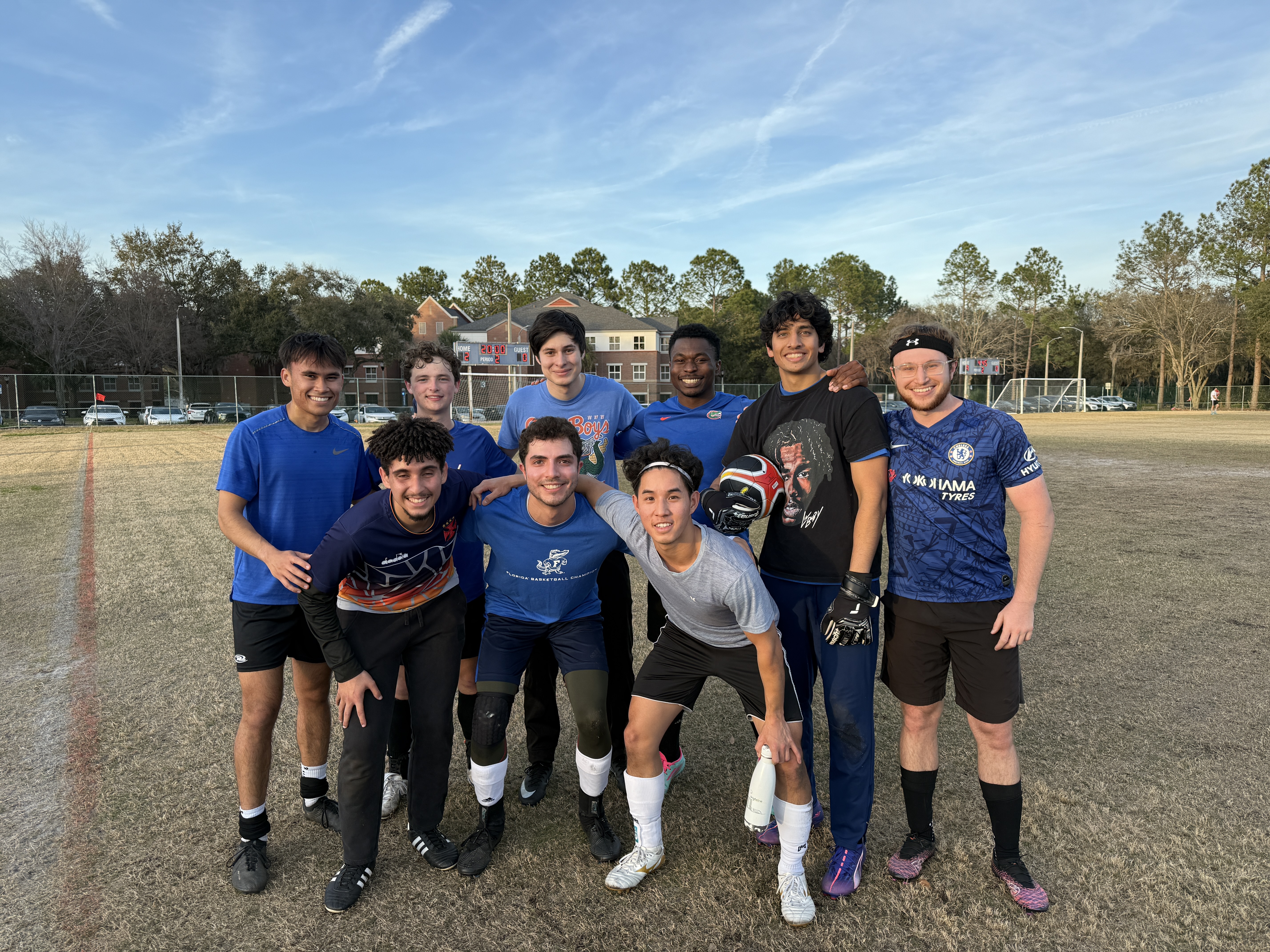
Aside watching brain videos, I play soccer and watch the Premier League (Manchester United Fan here!).
2. What is my secret talent?
Singing, a lot of Coldplay!
3. Fav Movie or Series?
It's gotta be The Office! Fav movie is hard to pick but i'll choose the "before" triology
4. How do I wind down after a long day?
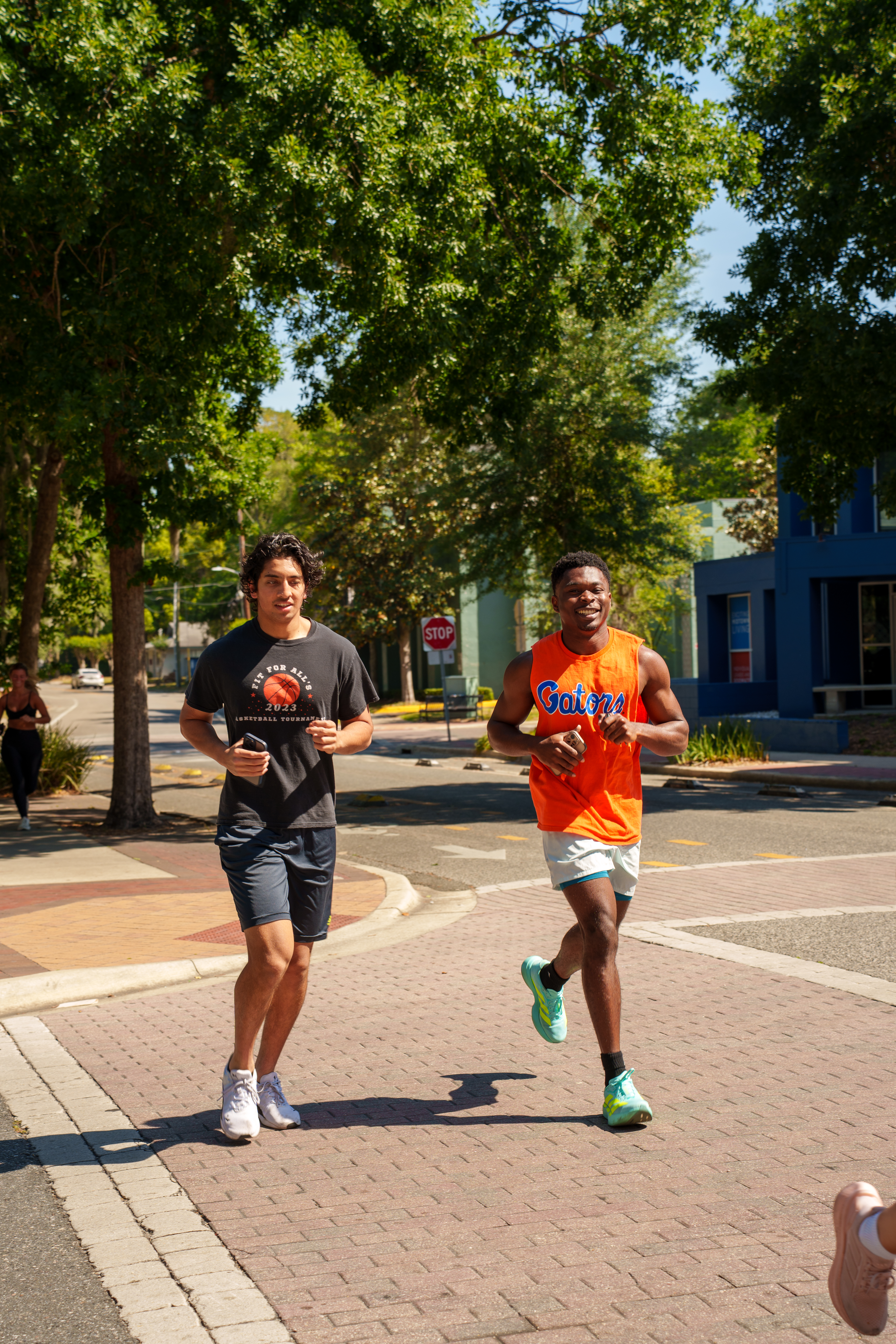
Running and debating philosophical ideas with friends
5. Fun fact most people don't know about me?
I spent 14 days backpacking in the Pecos Wilderness, NM
Let's Work Together 🤝
oseimelvin@gmail.com